
Museums are bastions of historic preservation and public knowledge. They offer safekeeping for priceless artifacts, galvanize discussions about ownership, and force us to face both the darkness and light of our past.
In many ways, museums are full of contradictions and juxtapositions – and this remains true when it comes to their design. At Lightswitch, we recognize that museums simultaneously act as centers of cultural education and hubs of scientific research, and we design with both in mind. Our lighting creates a compelling experience for the public, as well as a productive space for scholarly pursuits to take place behind the scenes.

Show, Don’t Tell
Much of our work as lighting designers centers around composing a dynamic narrative – however, museum lighting presents a different challenge. Instead of entertaining an audience, museums require us to convey the stories of the artifacts within their walls.
“We want the public to enjoy their experience,” Lightswitch Senior Director Charles Foster says, “[and] there’s also an obligation to reveal through our lighting the true nature of the artifacts.”
While our designers work with museum curators, we must often ask: What are we presenting, and within what context? Factors such as spectral distribution can change an artifact’s appearance drastically, and colored lighting can have an even more severe effect. Rather than relying on personal design preference, we make informed choices as a team of collaborators with curators and staff to decide how best to reveal the nature of each particular artifact. This strategy stands firm in any museum, where we know our task as designers is to honor the art and artifacts, not improve them.
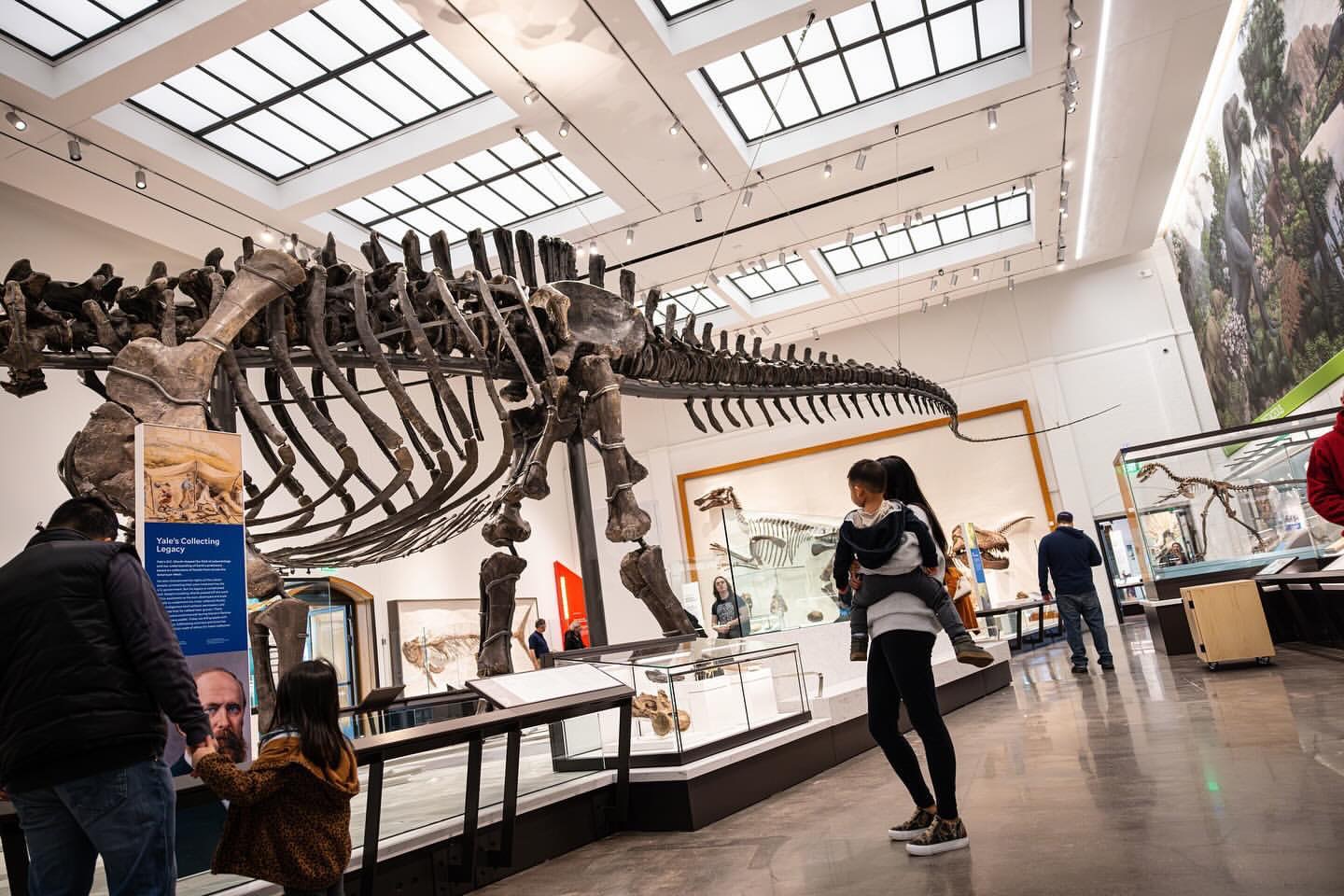
However, this is not to say we do not view ourselves as artists. In fact, the creativity of lighting design is one the three tenets of Lightswitch’s philosophy. While lighting ancient artifacts often calls for a pragmatic and objective approach, there are other areas of museum design, such as interior architecture, that require artistry in their lighting. The museum itself, and the presentation of artifacts within, is a form of artistic expression – though one that must be crafted in such a way that visitors are unaware their experience has been curated. This requires the creation of architectural rhythm, encouraging guests to linger or move on depending on the design of the exhibit and the needs of the facility.
The Spectrum of Conservation
The crucial juxtaposition inherent to museum design is that of preservation versus display. A precious artifact sealed in a dark room full of inert gas would last forever – but this would defeat the purpose of a museum. Therefore, it is the job of conservators, and the designers working alongside them, to decide how to mitigate the risks to an artifact while still allowing it to be enjoyed by the public and studied by scientists and scholars. In this way, conservation is a spectrum.
When making these vital decisions, we must utilize what we know to be true: less exposure to light is always the safer choice. Armed with this knowledge, more and more museums are implementing modern control systems, which allow lights to turn off when no one is actively viewing a display. This installation process is well worth the effort, as it has proven effective in preserving fragile artifacts.

Most importantly, our work with museums has taught us that we cannot rest on intuition alone. When it comes to lighting artifacts that are thousands – or even millions – of years old, no amount of experience can replace the conversation that must happen between designers and conservators. This evidence-based, expert-corroborated approach is essential when historic treasures are on the line.
Lastly, we must take into account that lighting technology is changing. As LED fixtures begin to dominate the industry, the extremely low light levels installed in museums decades ago may no longer be a necessity. Now that LED technology offers more illumination with less risk of damage, future museums may be brighter than those in our memories.
Changing for the Better
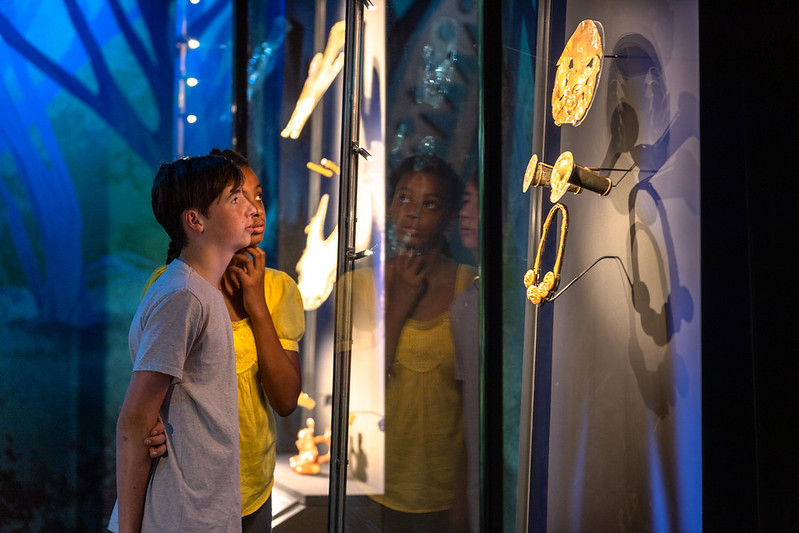
While we as lighting designers always do our best to craft a design that will set an institution up for success, the truth is that things change. We know our designs must be inherently mutable, allowing museum staff to make reasonable adjustments as needed.
After all, the very purpose of a museum is to educate. If the staff observes an artifact being misunderstood, they must be equipped to take action to rectify the issue. A museum is, in many ways, a living entity – influenced by the constantly shifting realms of cultural context and scientific advancement.
Lightswitch’s designers are hired because of our extensive experience in the field, but we will be the first to admit there are no secrets to what we do. Nothing about our process should be unknowable. “It’s their museum,” says Foster, “they should be able to make it work in the best possible way for them.”
The Heart of It
Museum design consistently presents us with challenges and rewards unlike any other industry. Museums seek to ground viewers, teaching them about the world around them and allowing them to leave a little more connected to nature, culture, and art. At Lightswitch, we have dedicated much time and effort to learning the most effective methods for lighting museum spaces, and we’re proud every time we have a chance to be a part of the tenuous and hopeful process of exhibit creation.

“It’s not for the faint of heart!” declares seasoned Principal John Featherstone. “Museums are frequently trying to achieve…the excitement of a concert, the storytelling of a great hospitality experience, the immersion of a theme park, and still honor…the responsibility of being the custodians of…cultural heritage.”
We have observed a degree of emotional investment within the museum industry that has moved us deeply. The conservators, scientists, and staff that keep these institutions afloat harbor a touching passion for their work. In the end, it is quite refreshing to work with people who are doing something they love for the betterment of humanity as a whole. We find great joy in imagining, discovering, and exploring alongside them – not for any personal gain, but simply for the sake of knowledge itself.